
How to Rent Out Your Prague Property Effectively and Increase Profit
Prague remains one of the most visited destinations in Europe – and demand from tourists and business travellers shows no sign of slowing. For owners of Prague flats, that means one thing: short-term rental through Airbnb or Booking.com is still a profitable option. But the market has changed. Simply "putting the flat on Airbnb" is not enough – you need a strategy, the right setup, and a clear understanding of your current obligations.
Below is a practical guide to what you should be doing today to make your flat work to its full potential – and to avoid losing income or risking a fine.
The advantages of short-term rental over traditional letting
Short-term rental delivers significantly higher returns than a long-term tenancy. Owners who entrust their flats to Investerra achieve an annual yield of 5–12% – depending on location, flat size and furnishings. That is substantially more than a standard tenancy agreement can deliver.
- Higher nightly rate compared with monthly rent
- Flexible pricing that responds to season, events and market occupancy
- Regular insight into the property's condition, thanks to frequent guest turnover
- The option to use the flat yourself during periods when it is not let
The challenges are real: booking administration, guest communication, cleaning, maintenance. But all of that can be left to a management partner – and you focus only on the payment at the end of the month.
Where in Prague does rental perform best
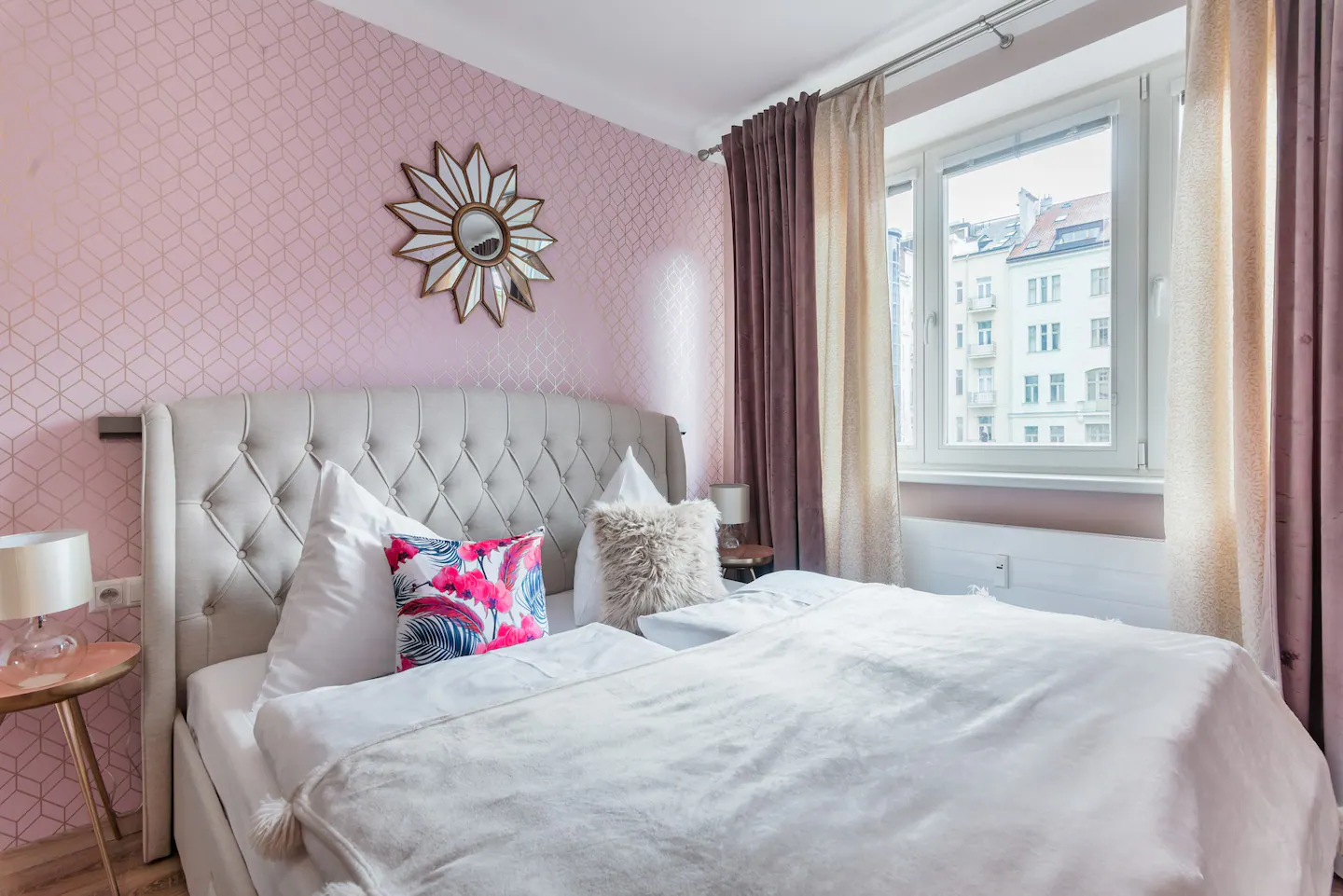
The highest demand and occupancy rates have traditionally been in Prague's central neighbourhoods: Staré Město, Malá Strana, Nové Město and Vinohrady. A studio in Staré Město achieves on average twice the nightly yield of a comparable flat on the city's outskirts.
That does not mean peripheral areas do not work. Praha 3, Praha 5 and Holešovice have a strong client base – particularly business travellers and medium-term stays. Well-calibrated pricing and a quality listing can compensate for a less central location.
Before launching a rental, it is worth comparing average prices in the area and identifying the type of guests that dominate the neighbourhood. That determines how to furnish the flat and how to market it.
How to prepare your flat so guests come back
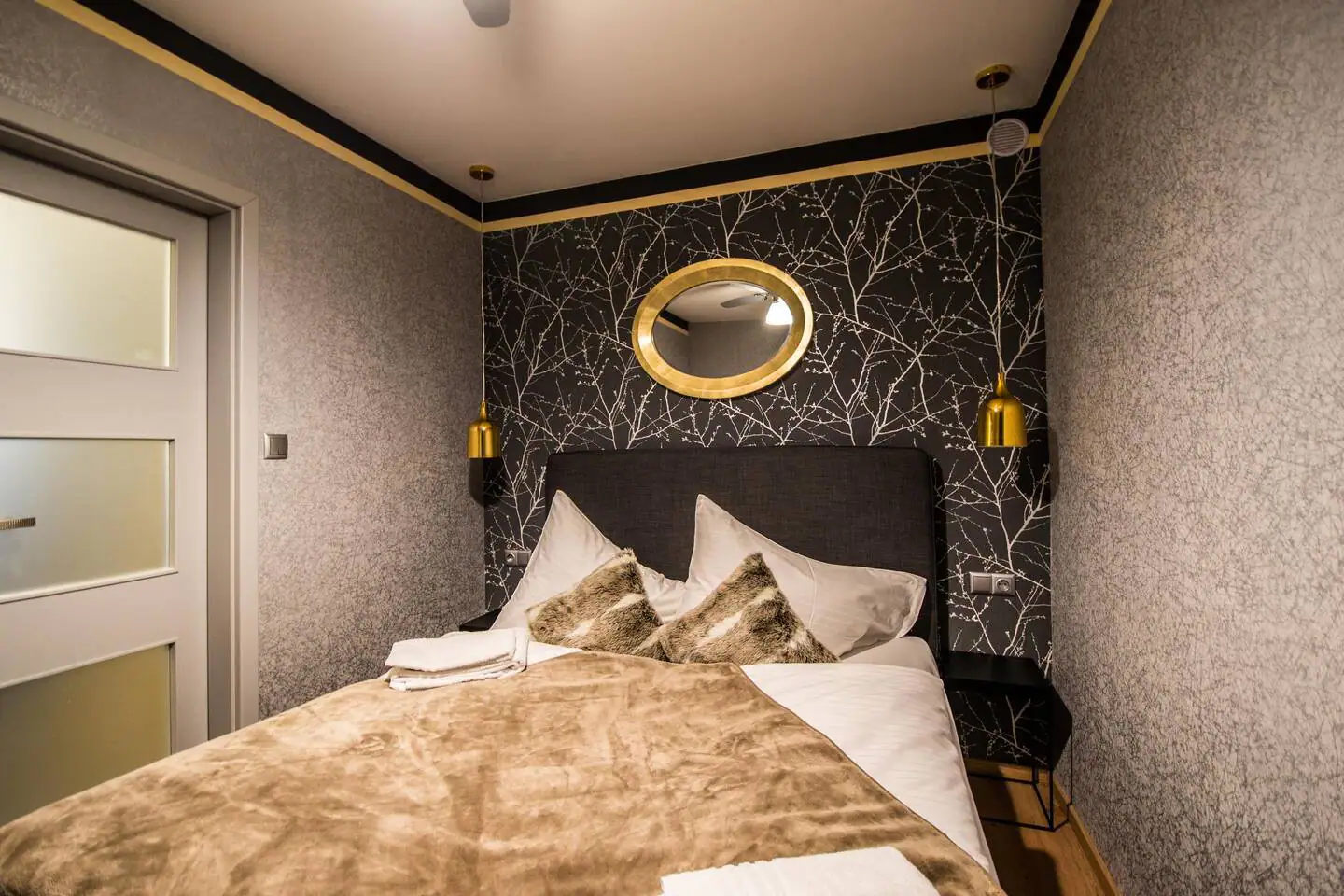
Guests compare dozens of flats before choosing. First impressions are decisive – the lead photo and the opening lines of the description. Professional photography pays for itself within the first month of rental. Poorly lit mobile-phone shots reduce profile click-through rates by tens of per cent, and no amount of dynamic pricing can make up for that.
What guests treat as standard and what costs you very little:
- Clean bed linen and towels – hotel standard, no compromises
- Basic toiletries (shampoo, shower gel, toilet paper)
- Fast Wi-Fi – an absolute requirement for business guests
- A fully equipped kitchenette with a coffee maker
- A map and recommendations for local restaurants and attractions
For tourists, colourful flats with a distinctive character work well. For business guests, a dedicated workspace, quiet and reliable internet are what counts. The ideal short-term rental flat combines both – a welcoming feel with a practical set-up.
The welcome message also makes a big difference. Guests who received restaurant recommendations and practical tips about the neighbourhood before arrival give ratings on Airbnb that are 0.3–0.5 stars higher than those who only received the Wi-Fi password. A personal touch does not have to mean more work – a single well-written template is all it takes.
Reviews are your calling card. Every five-star piece of feedback raises your visibility in platform algorithms and attracts more bookings. Across Airbnb and Booking.com combined, Investerra has more than 45,000 reviews – that level of trust is built through years of consistent guest care.
Platforms and dynamic pricing
Airbnb and Booking.com are today the primary channels for short-term rental in Prague. Each attracts a different audience: Airbnb draws tourists looking for an authentic experience, Booking.com has a strong corporate and hotel-style clientele. A presence on both platforms significantly increases occupancy.
The key to maximising returns is dynamic pricing. The nightly rate should never be static – it should respond to market occupancy, day of the week, public holidays, conferences and cultural events in Prague. Well-calibrated dynamic pricing can increase annual yield by tens of per cent compared with a fixed rate. During Prague trade fairs or public holidays, market room rates climb by 40–80% – and anyone who is not tracking that is simply selling cheaper than they need to.
Investerra estimates the yield for each flat with 90–95% accuracy before the partnership even begins. Based on historical data from 130 managed flats and the current state of the market, we calculate a realistic figure – not an optimistic marketing estimate.
I want to know how much my flat could earn →
New obligations for 2026: eTurista and property registration
From 20 May 2026, new EU-wide rules for short-term rentals apply. Any owner letting through Airbnb or Booking.com must have their property registered in the eTurista system and display the assigned registration code in all listings. Without the code, a listing will not be accepted – platforms are legally required to enforce this.
What the law specifically requires:
- Register the property in eTurista and include the code in all listings
- Maintain electronic guest records – name, nationality, arrival and departure dates
- Report the arrival of foreign nationals within 24 hours (previously 3 working days)
- Pay the local accommodation levy to the municipality on a regular basis
Non-compliance carries a fine of up to 100,000 Kč. Prague has also been considering a cap of approximately 60 rental days per year for part of the housing stock in the historic centre – the final form of that ordinance had not been confirmed at the time of writing.
A detailed overview of all obligations, deadlines and the current state of Prague's regulations can be found in our article Short-term rental regulations in Prague 2026 and eTurista.
Tax and administration: what to expect
Short-term rental to tourists is taxed as a business under Section 7 of the Income Tax Act – not as standard rental income. You need a trade licence for the free trade "Accommodation services" (administrative fee: 1,000 Kč).
Expenses can be claimed using a flat-rate deduction of 60% of income, or as actual costs. VAT registration is only required for owners whose turnover exceeds 2,000,000 Kč per year – with one or two flats, very few people reach that threshold. The local accommodation levy in Prague is 50 Kč per person per night and is remitted by the host, not the guest.
A full overview – from the trade licence and flat-rate deductions through to social security and health insurance contributions – can be found in our article Short-term rental tax: a guide for owners.
Managing the rental: alone, or with a partner?
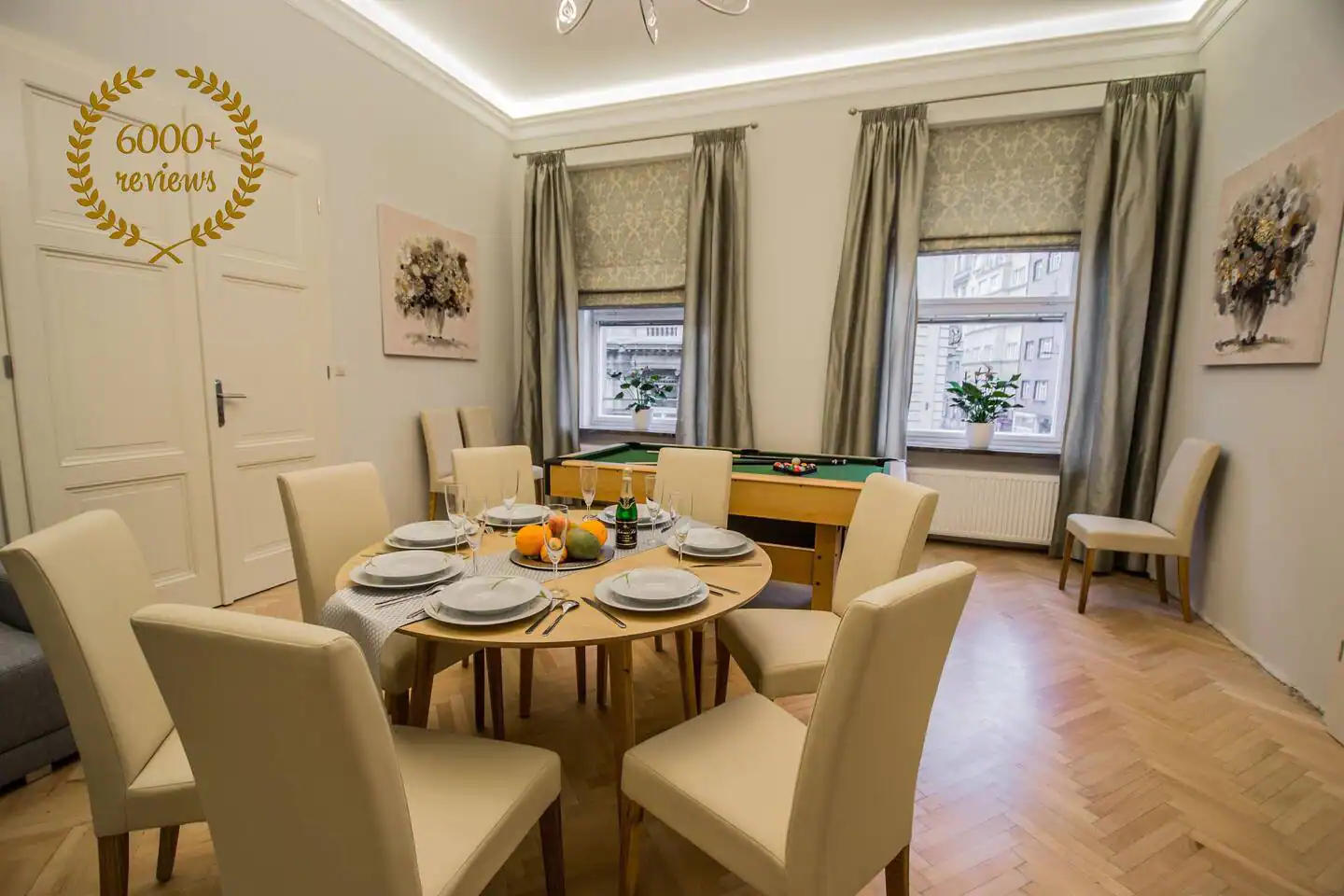
Managing a short-term rental in 2026 involves considerably more than pleasant communication with guests. It means registration in eTurista, ongoing electronic record-keeping, reporting foreign nationals within 24 hours, paying the accommodation levy, dynamic pricing, professional photography, platform profile optimisation, cleaning and laundry, maintenance, and real-time responses to guests.
An owner handling all of this alone devotes tens of hours to it every month. They also lack the market data to set pricing at a truly optimal level.
Investerra has managed short-term rentals in Prague since 2007. In 19 years we have navigated every regulatory change, every crisis and every tourism boom. We currently manage more than 130 flats – and every owner receives their payout into their account within 5 days of the end of the month, without having to deal with a single administrative matter.
The model is straightforward: you own the property, we take care of everything else. Management costs are deducted from the income – there is nothing extra to invest and no commitment to sign up for years in advance.
The result? Average occupancy across managed flats runs well above the level an owner would achieve independently – driven by the combination of dynamic pricing, a strong platform presence, and guest care backed by 45,000 reviews.
This article was prepared by the Investerra team. We manage 130 apartments in Prague since 2007 – with over 45,000 guest reviews on Airbnb and Booking.com and returns of 5–12% per year for property owners.
Read also

Where to buy an investment apartment in Prague: locations and floor plans that earn
Prague 1 outperforms Prague 3 – and a 3+kk earns four times more than a 1+kk. Real portfolio numbers and a map of where to buy an investment apartment.

Short-term vs. long-term rental: 5–12 % vs. 3–4 % in Prague
Long-term rentals in Prague yield 3–4% annually; short-term rentals 5–12%. We compare returns, costs and time investment – from 19 years of Investerra experience.

How to Choose an Investment Apartment in Prague: Location, Layout, Yield
An investment apartment's yield is driven by location, layout and condition – not price. A practical guide to finding a Prague apartment returning 5–12% annually.
Do you own an apartment or are you looking for an investment property?
We will help you evaluate the property and set up an optimal short-term rental strategy. You will receive a reply within 24 hours.