
Self-manage Airbnb: how much time does it really cost?
You buy an apartment, take some nice photos, launch a listing on Airbnb and suddenly it's running. The first guests arrive, the first money comes in, and the thought is obvious: why pay an agency 30% when I can do this myself?
Almost every property owner thinking about short-term rentals asks this question. And it's a fair one. The answer depends on one thing that never appears in platform marketing materials – how much time self-managing an Airbnb actually takes, and what it truly involves.
This article won't tell you what to choose. It describes what self-managing an Airbnb really means in practice – so you can make a decision with all the cards on the table.
Daily operations: cleaning, laundry and supplies
After every checkout, the apartment needs to be in a precisely defined state: cleaned, aired out, with fresh linen, topped-up supplies and a made bed. A professional cleaning team handles this in 45–90 minutes. If you're doing it yourself, allow similar time – plus the knowledge that the schedule is set by guests, not by you.
A checkout at 11am Sunday and a new arrival at 2pm is completely standard. A checkout at 11pm Friday and arrival at 8am Saturday also happens. Cleaning must take place within those windows – no exceptions, no delays.
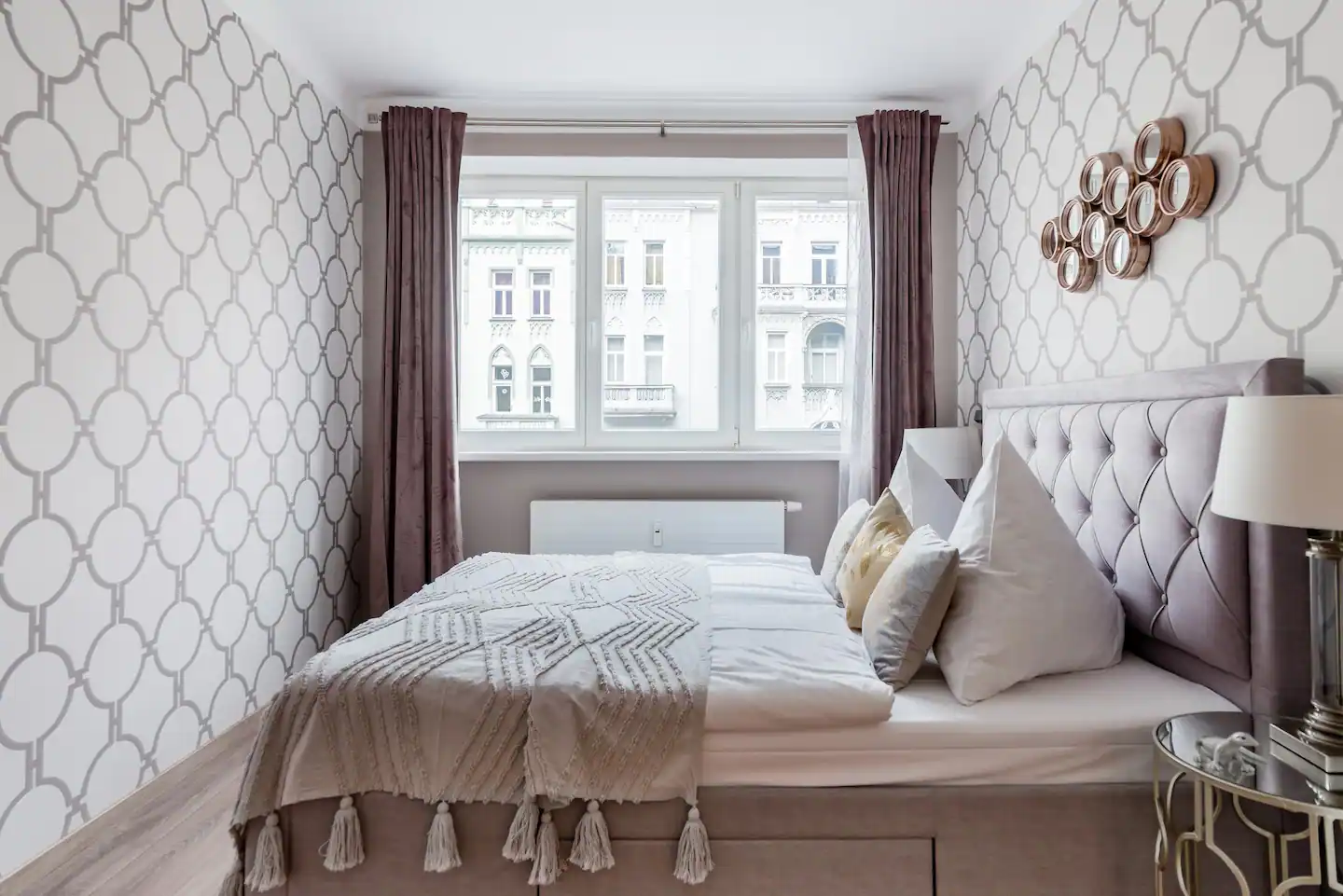
Laundry is tightly linked to cleaning. Bed sets and towels don't just need swapping – they need collecting, washing, drying, ironing, folding and returning. With high occupancy (20+ stays per month), this is a weekly cycle. Either a home washing machine and hours at the ironing board, or a laundry service and the logistics of collection. Both have a cost: time or money.
Restocking supplies seems minor. In practice it means continuously monitoring toilet paper, soap, shampoo, coffee capsules, cleaning products, spare lightbulbs and everything else. One forgotten item and the guest will mention it in their review.
Guests and communication: from enquiry to review
An average Airbnb stay generates 5–15 messages – from the first enquiry through arrival instructions to responding to the review. With 15–25 stays per month, that's hundreds of messages per month. Platforms track response speed and penalise slow replies with lower search rankings.
The standard is a response within an hour – on weekends, on public holidays, whenever. Guests ask whether there's parking, whether the air conditioning works, where the nearest supermarket is and why the Wi-Fi password isn't working. You answer everything.
Self-check-in via a key lockbox or code lock simplifies handover, but doesn't eliminate issues. Code isn't working? You get the call. Lockbox is frozen? You get the call. Guest arrives three hours early and doesn't know what to do? You get the call.
After checkout comes the review – and your response to it. Platforms reward proactive review management; ignoring feedback reduces listing visibility.
Find out how much my apartment could earn with Investerra's management →
Nights and crises: what happens at 2am
Short-term rental doesn't end at 6pm. Guests are in the apartment overnight, on public holidays, on New Year's Eve. And problems arrive at exactly the wrong moments.
Lost keys at 2am are a classic. The guest is locked out, the lockbox isn't working or they've forgotten the code. Either you have an on-call service, or you go yourself. There's no other option – the guest is standing at the door.
Noise complaints and upset neighbours are among the most common operational crises. The neighbour calls the helpline, sends a message or comes knocking. If you don't have a system where the guest calls someone else instead of you, you're the one who must respond – in the middle of the night, in the middle of a working day, whenever.
A stuck lock, power cut, dripping tap, broken boiler – the guest is waiting and can't shower. Hotels have reception that sends maintenance. With your apartment, you are the reception. Do you have the number of an emergency plumber, electrician and locksmith who can be there within an hour? If not, that's the first thing to sort out before self-managing.
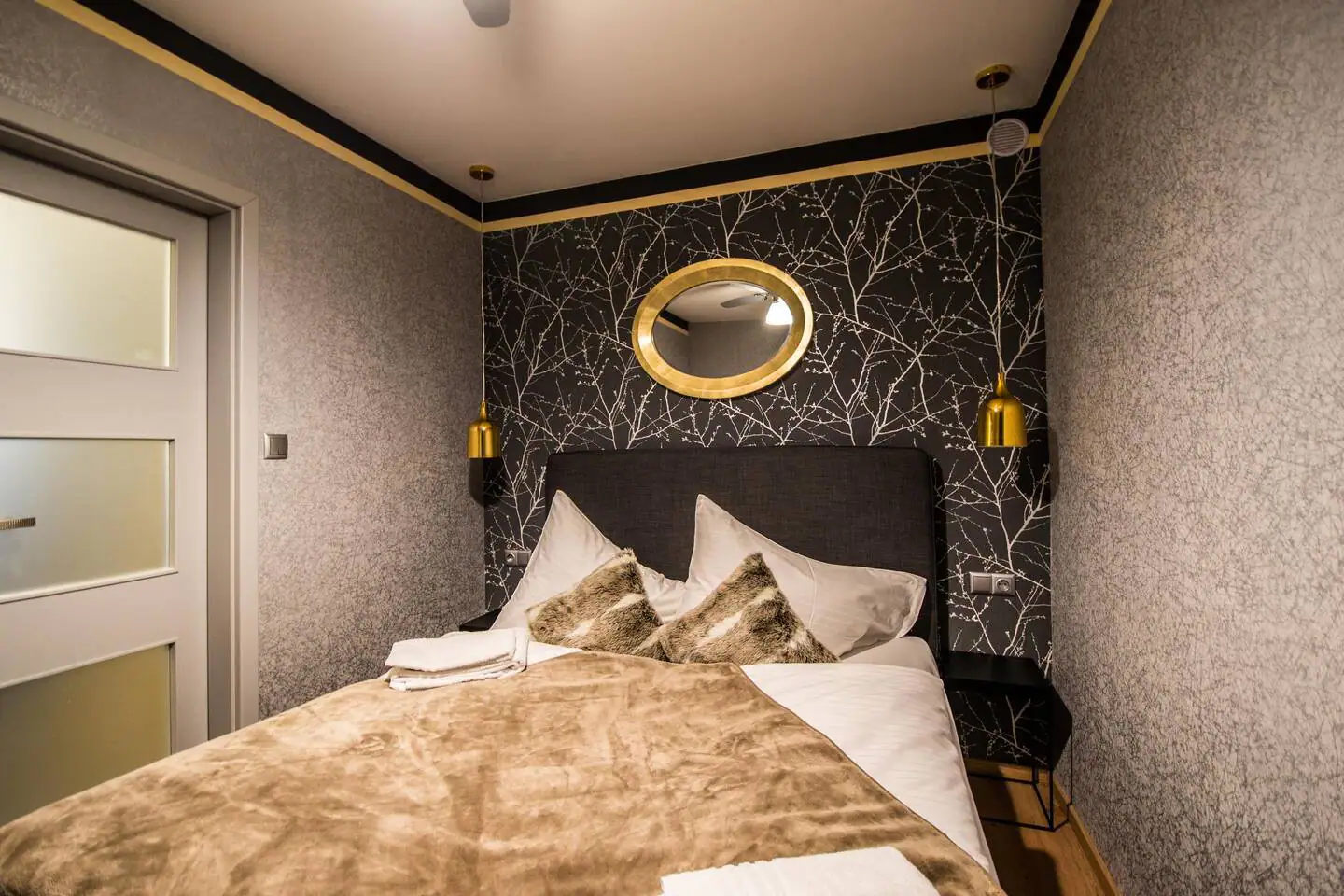
Damage and deposits are another chapter. A guest checks out leaving broken glass, a carpet stain or a damaged washing machine. Photo documentation, platform communication, deposit claim, escalation to an insurance programme – the whole process is time-consuming and requires a systematic approach. Without documenting the apartment's condition before every arrival, you have no case.
Numbers and administration: what doesn't show on the bank statement
Dynamic pricing is the area where self-management most often falls behind agency management. Apartment pricing shouldn't be set once and forgotten – it should change daily based on market occupancy, season, events in Prague and local competition. Professional tools like PriceLabs or Wheelhouse work with thousands of data points in real time. Without such a tool, you're working on estimates.
Managing calendars across multiple platforms simultaneously – Airbnb, Booking.com, Vrbo – requires a channel manager, or you risk double bookings. A double booking is a nightmare: you must cancel one guest's stay, pay a platform penalty and will likely receive a negative review.
Short-term rental administration in Prague includes: registration in the eTurista system, ongoing guest records, reporting foreign nationals within 24 hours and regular payment of the local accommodation levy. A detailed overview of obligations is in the article A clear overview of Airbnb operator obligations.
Managing rentals across multiple platforms also has a tax dimension: a trade licence, advance social and health insurance contributions, and an annual tax return. How short-term rental income is taxed is covered in the article What short-term rental management involves.
How much time does it actually take
The exact figures vary by apartment, occupancy level and how much the owner outsources. Based on experience managing 130 apartments since 2007, an actively self-managed apartment with average occupancy takes an owner around 15–25 hours per month. At high occupancy with direct involvement in cleaning, that can rise to 40 hours or more.
This isn't an abstract number. It's a full working week every month – or more – devoted to one apartment. With two apartments, multiply accordingly.
| Criterion | Self-management | Investerra management |
|---|---|---|
| Owner's time | 15–40 hrs/month | Near zero |
| 24/7 availability | Owner handles everything | On-call team |
| Occupancy and pricing | Manual or basic tools | Real-time dynamic optimisation |
| Cleaning and laundry | Owner arranges independently | Professional team, included in management |
| Night-time crises | Owner resolves | Emergency line, technicians on call |
| Administration (eTurista, fees) | Owner's responsibility | Investerra handles it |
| Commission / costs | Lower commission, but time and logistics on you | 30% of revenue, you keep 70% |
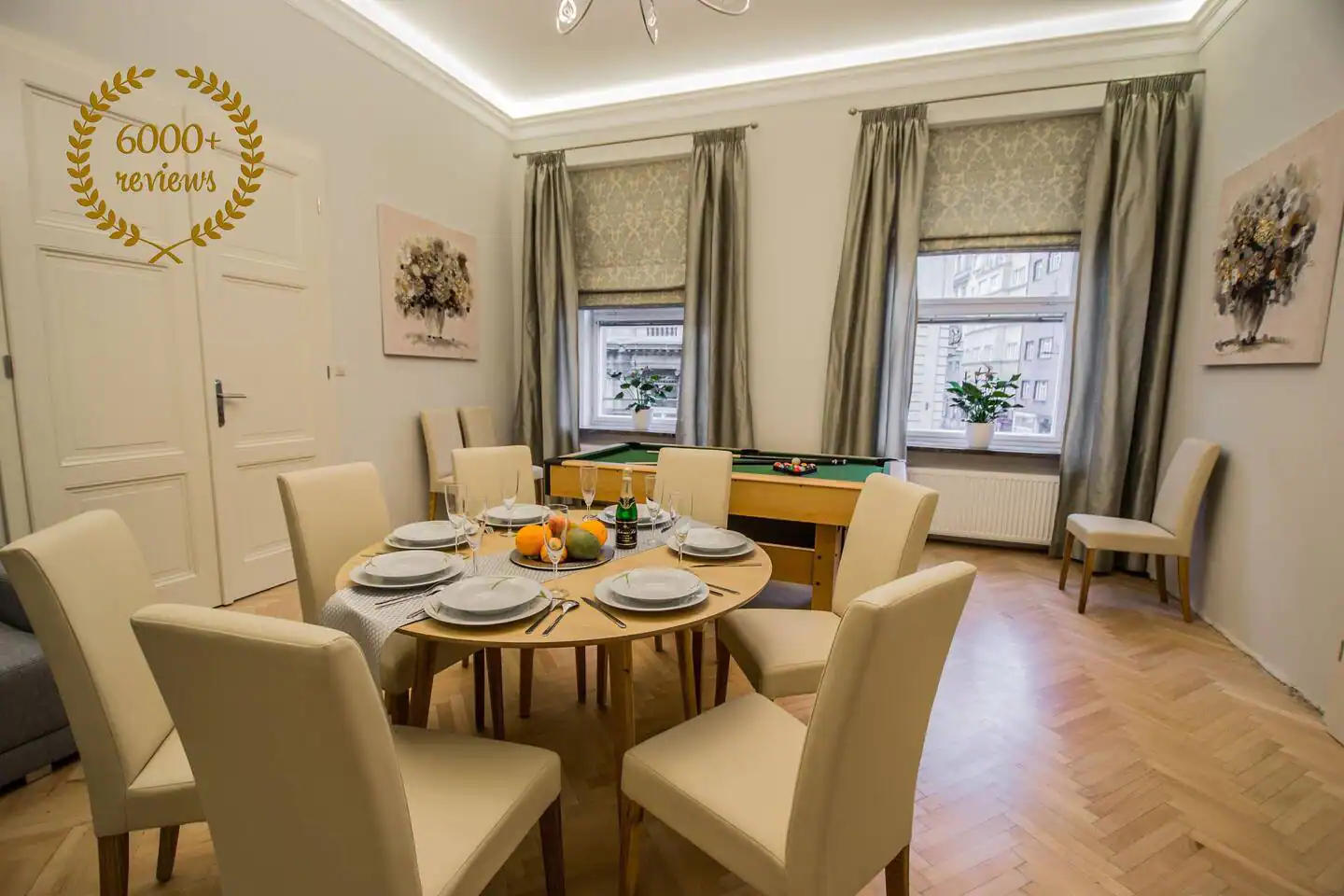
When self-management makes sense
The honest answer: sometimes it does. Specifically when all of the following conditions are met at once.
You live within walking distance of the apartment – ideally within 15 minutes. You have a flexible work schedule and can handle an emergency at any time. You have reliable contacts for a cleaning company, laundry service and tradespeople. You're renting one apartment, not two or more. And you're genuinely interested in what you're doing – managing a rental as something you enjoy rather than a burden.
If all of that applies, self-management can bring you not just savings on commission, but also direct oversight of what's happening with your property. Just factor in that the time spent managing has an opportunity cost.
When an agency earns more than it costs
Professional management pays off when your time is worth more than 30% of the yield – or when limited experience with dynamic pricing and occupancy management leaves money on the table. Investerra has managed 130 apartments since 2007 and holds 45,000+ reviews on Airbnb and Booking.com. The portfolio occupancy rate sits at a level that's difficult to reach quickly when self-managing without experience and the right tools.
The 70/30 revenue-sharing model means exactly what it says: if you don't earn, neither do we. There's no incentive to artificially reduce your income – on the contrary. The higher your yield, the higher our commission. Incentives are aligned.
Short-term rental yields on Prague apartments typically range between 5–12% annually. The difference between a poorly and well-managed apartment in the same location can be tens of thousands of crowns per year – and that's before counting the owner's time.
Request a free consultation and yield estimate for my apartment →
Also read: What short-term rental management involves – a complete overview
This article was prepared by the Investerra team. We manage 130 apartments in Prague since 2007 – with over 45,000 guest reviews on Airbnb and Booking.com and returns of 5–12% per year for property owners.
Read also

What Short-term Rental Management Involves (and How Much Time It Saves You)
Short-term rental is not passive income – if you run it yourself. What managing an Airbnb apartment entails and how much work a professional takes off your hands.

How to Get 5-Star Reviews That Keep Your Apartment Full
Reviews aren't just stars – they're the engine of occupancy. We show you how to collect them systematically and why Investerra has over 45,000 ratings.

How to Furnish an Airbnb Apartment to Earn More
The right furnishings determine both the nightly rate and occupancy. Find out what really works and where not to over-invest.
Do you own an apartment or are you looking for an investment property?
We will help you evaluate the property and set up an optimal short-term rental strategy. You will receive a reply within 24 hours.